Have you ever ordered a huge portion of food at a restaurant, couldn’t finish it all, and had to take a doggy bag home? After two weeks in the fridge, it ended up in the trash can.
Have you thought about what happens to produce that your local supermarket can’t sell? You guessed it, more likely than not it ends up in the dumpsters behind the store.
Tragically, one-third of all food produced for human consumption on Earth is lost or wasted. Even more devastating, that is enough food to feed the 2 billion food-insecure people on the planet, including those who live in our local communities.
Food waste has a grave impact on the environment, the economy, and society.
Environmental Impacts
Food waste is a significant contributor to climate change. If food waste were a country, it would be the third largest emitter of greenhouse gasses, after China and the United States. Food loss and waste account for 8-10% of annual global green gas emissions. Food production and the food supply chain inherently generate greenhouse emissions. On top of that, when unused food is thrown out, it is transported and dumped into landfills. The food in these landfills rot and release methane into the atmosphere. Methane’s global warming potential is estimated to be 28 times greater than carbon dioxide.
Food waste also has a major impact on freshwater. Around 24% of all global freshwater is utilized in the production of food that is never eaten. Agriculture and food production can lead to pollution of surface water and groundwater due to overuse of fertilizers or improper livestock waste management. Avoiding food waste directly reduces these negative impacts on water.
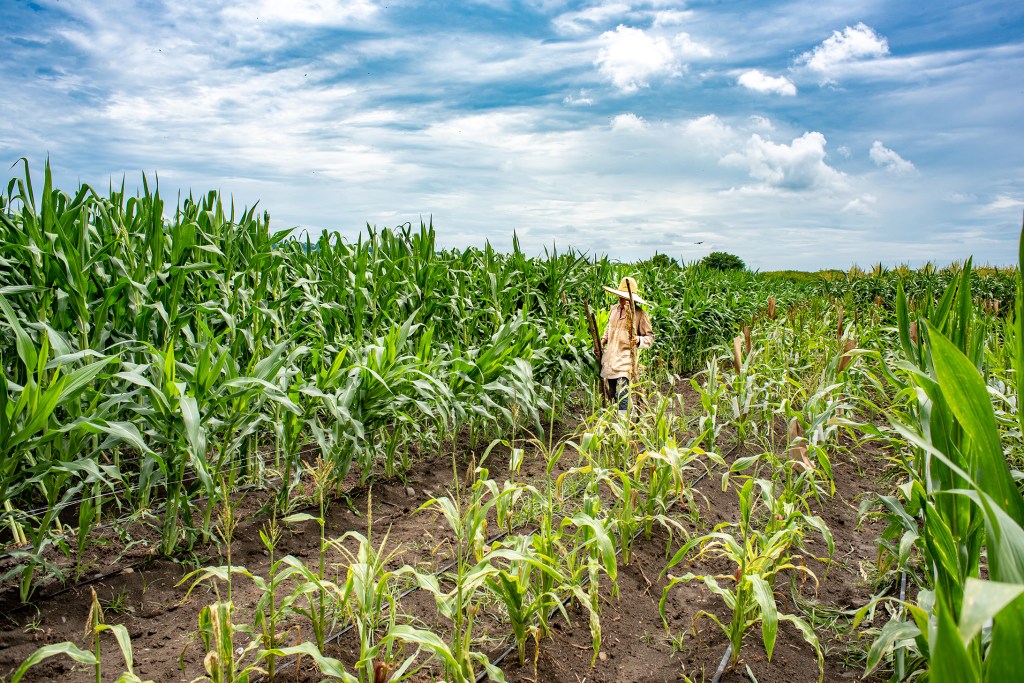
More food production requires occupation of more land for crops and grazing. Similar to water, it is alarming that 30% of land used in agriculture is utilized in the production of food that is never eaten. More land for food means soil degradation and erosion, deforestation, and encroachment on land used for other economic or social purposes.
The need for increased food production leads to agriculture land encroaching on natural habitat, conversion of natural areas to pastures and grazing, and significant biodiversity loss. Overfishing also leads to depletion and damage to fishery resources which impacts marine ecosystems.
Economic Impacts
According to the USDA, each year the average American family of four loses $1,500 to uneaten food. This equates to roughly $125 per month or about $30 per week. The total cost of food waste in the US, including both household and commercial waste, is estimated to be $218 billion annually.
Producing food that eventually ends up in landfills is a direct economic cost to society. Food production uses a lot of scarce resources including seeds, water, energy, and labor that could be used elsewhere more productively. The Food and Agriculture Organization (FAO) estimates annual losses of $1 trillion from these economic costs.
Additionally, pressure on these resources leads to an increase in prices for producers and final consumers. The wasted food leads to increases in the costs for those who produce and manufacture at the start of the supply chain. This increase in costs has a cascading effect, bouncing from the producers to transporters, to retailers, to ultimately driving up the prices for consumers.
Finally, tossed out food doesn’t magically disappear. Food waste ultimately ends up in landfills, incurring significant costs for waste removal and disposal services. These services are often paid through taxpayers and local political entities taking away funding that could have been used for infrastructure development or more promising investments.
Social Impacts
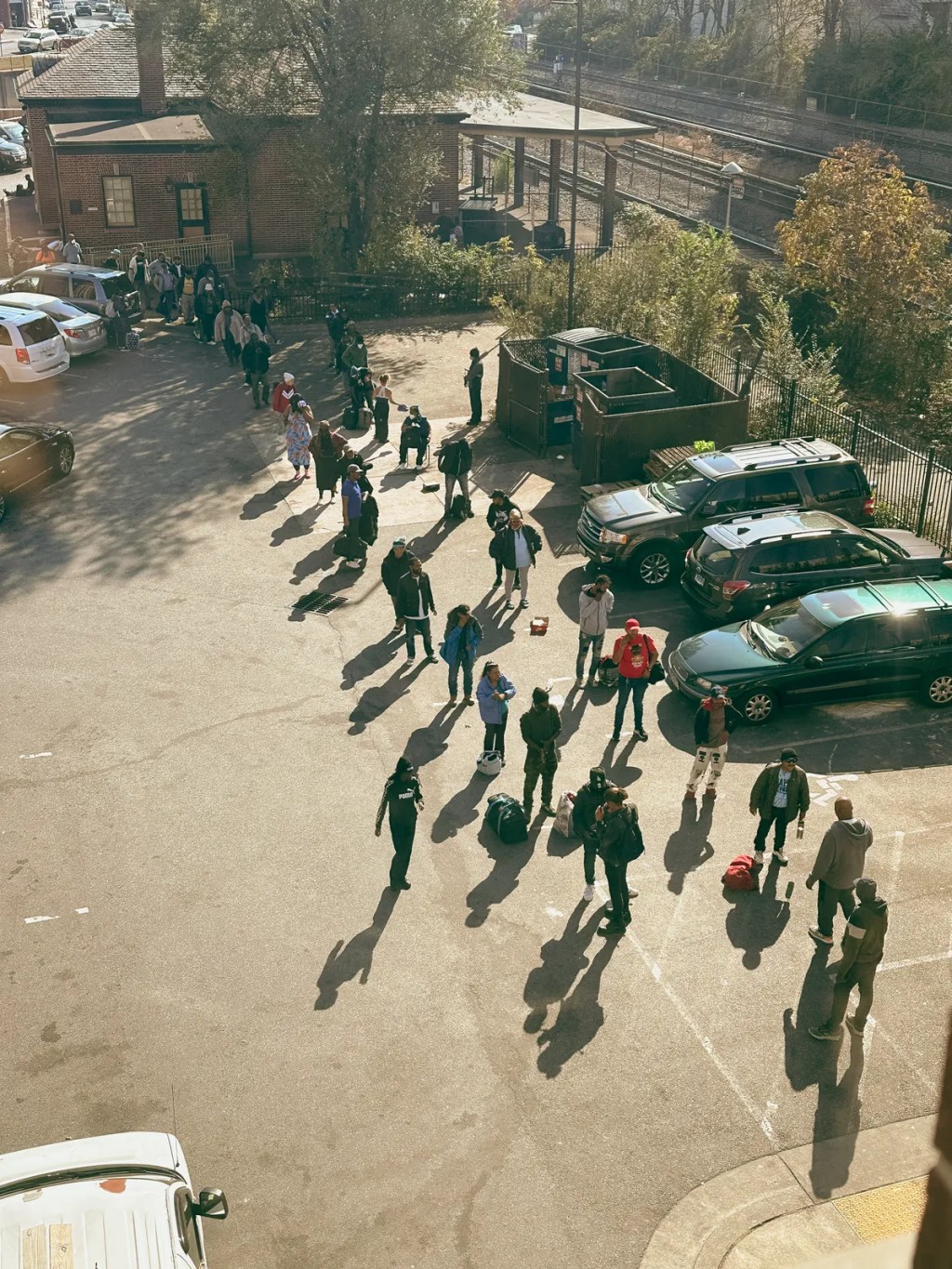
In 2023, an estimated 47.4 million people in the United States, including 13.8 children, lived in food-insecure households. They lacked consistent access to enough food for an active, healthy life. Specifically, 1 in 7 households in the U.S. experienced food insecurity.
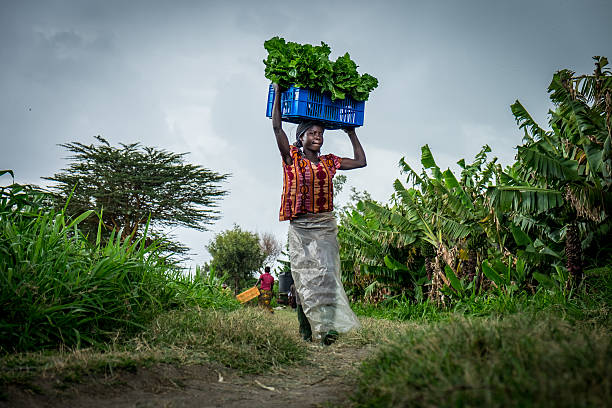
Worldwide, hundreds of millions of people are experiencing food insecurity. The lack of proper nutrition has a significant impact on those living in these conditions. In fact, stunting, impaired physical and mental growth due to the lack of proper nutrition, is common throughout many developing nations.
The wasting of food exacerbates the issue of food insecurity and raises many ethical concerns. How is it possible that others are starving in today’s society? Who is responsible for resource management and social justice?
Food waste disproportionately impacts those of lower-income and marginalized communities. The disproportionate impact only fuels preexisting inequalities and prevents many from ever being able to recover. Additionally, landfills, where almost all food waste ends up, are usually located in these lower-income and marginalized communities. Improperly managed landfills emit dangerous gasses and expose the surrounding areas to environmental pollution, directly inducing health issues and disease.
In many parts of the world, the need for more land leads to encroachment on indigenous peoples’ land, and creates social conflicts. It is our responsibility to work together to fight against food waste and food insecurity.
SOURCES:
https://www.fao.org/nr/sustainability/food-loss-and-waste/en/