It is a situation of contrast: on one hand, grocery store shelves are stocked, restaurants are everywhere in cities and shopping malls, fast food is open 24/7; on the other hand, millions of people in the US lack reliable access to safe, sufficient, nutritious food with dignity. Food insecurity is a widespread and very often invisible crisis.
The Problem
The USDA estimates that over 44 million Americans, including more than 13 million children, lived in food-insecure households in 2023. That corresponds to about 1 in 7 households. These households very often face difficult choices. They must decide between buying groceries, paying rent, paying medical bills, or feeding their children.
According to the Strategic Plan to End Childhood Hunger, in Montgomery County Maryland, at least 14% of children in the county, approximately 34,000, are food insecure. Thousands more live in households without sufficient income to meet their basic needs. It is important to note that food insecurity doesn’t affect any single group. Food insecurity affects all walks of life: From cities to rural communities, those who have a job to the unemployed, senior citizens as well as children and students. What is also worth noting is that food insecurity has a disproportionate impact on low-income households, single-parent families, and communities of color.
What Causes Food Insecurity?
A wide variety of factors contribute to the current nationwide hunger crisis. Although seemingly innocuous alone, each factor drastically grows in scale when combined with the other causes, building the problem that millions of Americans experience today.
Poverty and Low Wages.
A common misconception that many hold is that those who experience food insecurity are unemployed, unable to afford their basic needs due to their lack of reliable income. However, according to the USDA, more than half of food insecure households work full time jobs. How is it possible that households working full time jobs can be food insecure? The key reason lies in the unsustainable wages that many in the workforce earn. When public policies allow very low minimum wages, even those employed can be left to grapple with the inability to afford their basic needs. This is because very often, minimum wages and wages in general do not increase in the US with the rising costs of living, specifically the costs of housing, healthcare, and transportation; which leaves less room in household budgets for food.
Limited or Lack of Access.
Many of us take reliable access to food for granted. However, in America’s rural areas, it can often be a struggle to find grocery stores that sell fresh, reliable, and affordable food. Specifically, certain areas throughout the United States are “food deserts”, because in those areas communities have extremely limited access to produce.
Social Inequality.
Research shows that certain segments of the population are disproportionately more affected by food insecurity than others. In fact, statistics show that historical and structural inequalities that affect black, latino, and indigenous communities also lead to higher incidence of food insecurity in these communities.
Effects of Food Insecurity.
Food insecurity has a multitude of negative effects that disadvantage those who suffer from the problem. In addition to pure hunger, food insecurity is directly linked to worse academic performances, permanent health issues, and psychological problems. For adults, chronic bouts of hunger can provoke heart disease, depression, and increase the risk of diabetes. Food insecurity generally goes beyond physical hardship as it can bring a sense of shame, stress, and social isolation; leading to psychological and emotional hardship. More critically, as stated in Montgomery County’s Strategic Plan to End Childhood Hunger, according to the American Academy of Pediatrics and Food Research & Action Center, “Food insecurity is detrimental to children’s health, development, and well-being.” It is associated with poor health status, development risk, mental health problems, and poor educational outcomes that could have a negative impact over a child’s entire life.
What Can Be Done to Address the Problem?
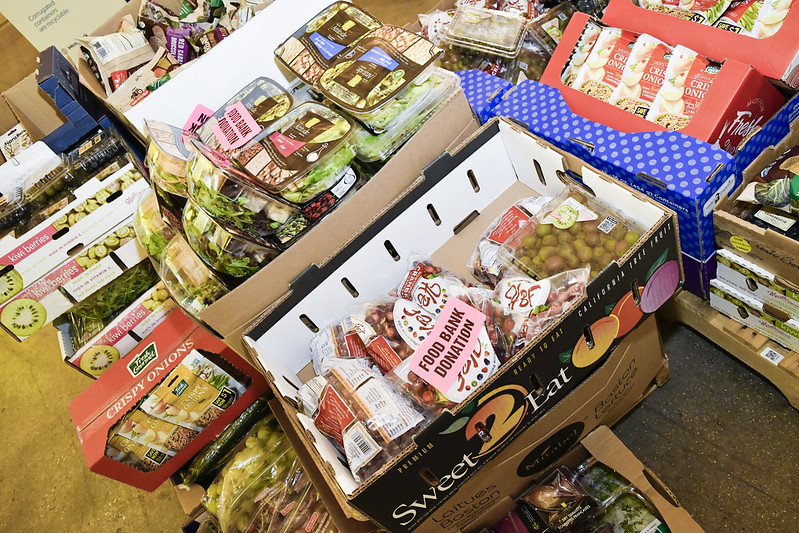
Several federal programs such as SNAP (Supplemental Nutrition Assistance Program), WIC (Women, Infants, and Children), and School Meal Programs help to fight against food insecurity by providing the disadvantaged with assistance programs and free meals. Similar programs are supported by states and local governments. Additionally, nonprofit organizations and local community kitchens are taking similar actions at the local levels. However, these efforts struggle to keep up with the growing problem, and they can be overwhelmed in times of severe crises such as during the COVID-19 times. Moving towards long-term changes will require a multi-dimensional plan with changes on many fronts. Some of these changes include:
- Investments in local food operations to eliminate food deserts
- Supporting local organizations and their efforts
- Expanding access to affordable housing and healthcare
- Raising the minimum wage to offer everyone sustainable wages
- Addressing systematic inequalities and generational poverty
- Increased awareness efforts and advocacy groups
- Improvements in education on the dangers of food insecurity
Despite its magnitude, food insecurity is a crisis that can be solved. Through collaboration and intense efforts, we should be able to make progress. The United States of America is one of the wealthiest and most prosperous nations, no child should be left starving as they go days unfed. We must work together, taking actions to ensure that food insecurity no longer affect the next generation of Americans.’
WORKS CITED:
https://www.ers.usda.gov/data-products/charts-of-note/chart-detail?chartId=108053
https://www.feedingamerica.org/hunger-in-america/food-insecurity