Securing food for the ever increasing world population is placing extreme pressure on the agriculture industry, promoting practices that directly harm biodiversity. As farms extend and encroach onto natural ecosystems, the environment faces irreparable consequences.
Habitat Loss
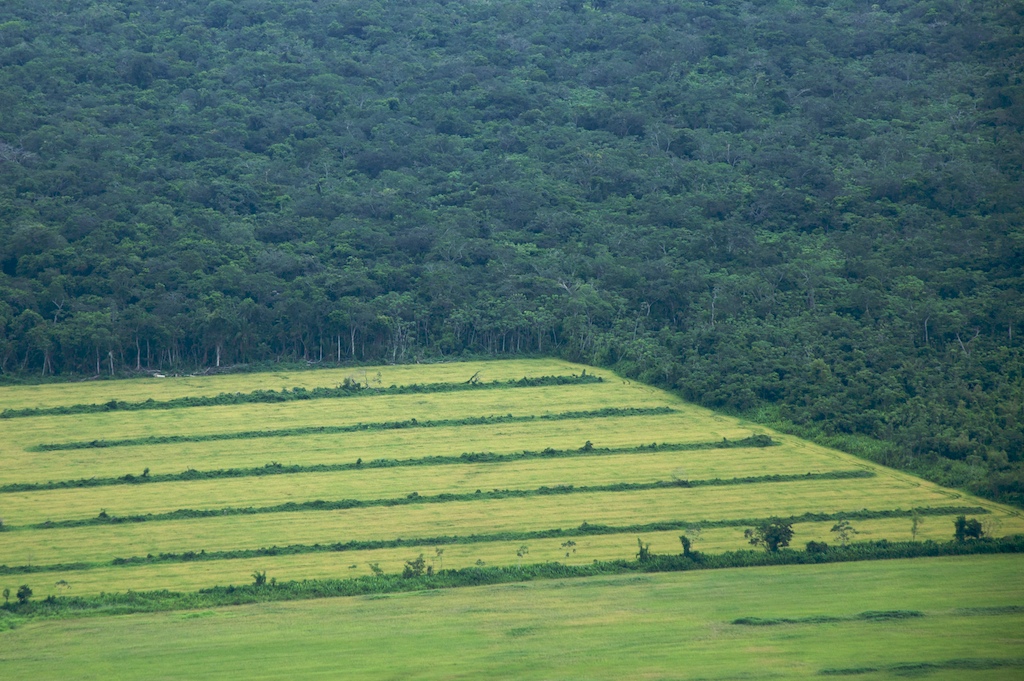
To make space for fields to grow crops, farmers in many parts of the world clear forests and grasslands. Around the globe, land used for crops expanded by around 9% from 2003-2019. Almost half of this new land replaced existing natural habitats. The reason why habitat loss has such a profound impact on ecosystems is due to fragmentation. As farmers expand their cultivated fields, the once connected natural habitats are broken down into small, isolated areas. The fragmentation of a natural habitat disrupts ecosystem functions and as it leads to a very limited amount of genetic exchange and diversity.
Ecosystem Composition
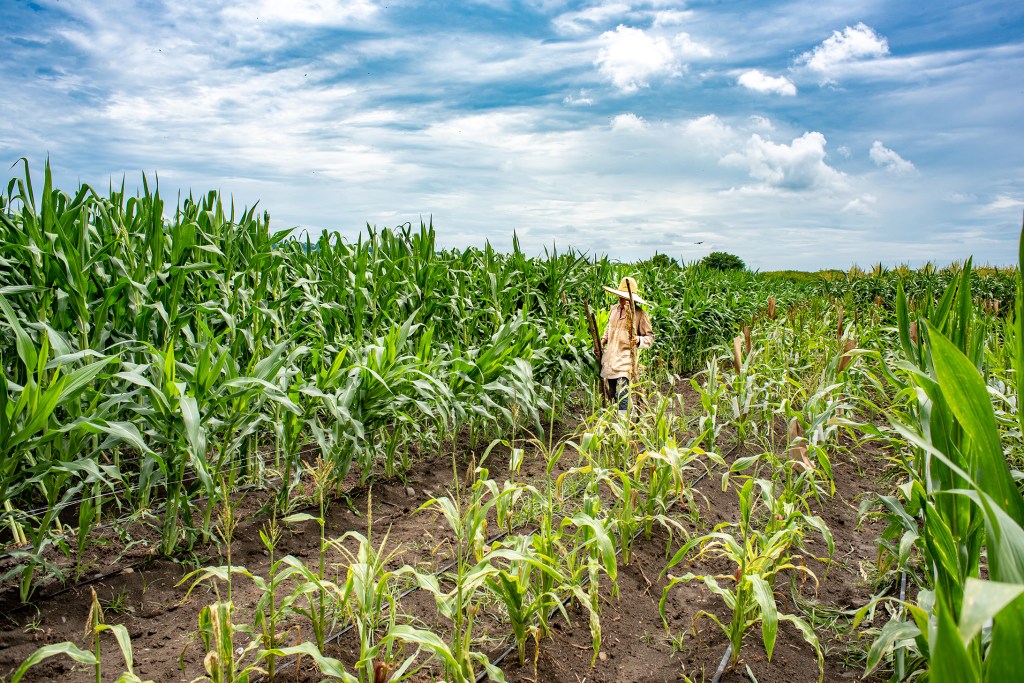
The invasion of farming of local natural habitats also serves as a catalyst for the elimination of cultural diversity within an ecosystem. The use of pesticides and other chemicals often destroys wildlife, directly harming existing habitats. Because of their negative effects, even if surrounding natural areas are left untouched by farmers, their proximity to agriculture can directly reduce the habitat quality. Pollution from chemicals used in agricultural areas directly reduces the carrying capacity of nearby natural habitats. The chemicals, intended to kill crop pests, poison bees, birds, and fish. Fertilizers run off into waterways and create uninhabitable bodies of water. Soil stability is undermined and risk of disease increases. Additionally, modern farming largely relies on the cultivation of monocultures. This is a system in which a singular species of crop is exclusively grown in a particular area. Monoculture farming eliminates biodiversity and disrupts the existing relationships within the environment. Due to the lack of biodiversity, risk of disease and vulnerability to climate change increases. Globally, around 20% less species exist in human influenced areas than untouched sites. Reptiles, amphibians, and mammals are amongst those that are the most at risk.
Human-Wildlife Conflict
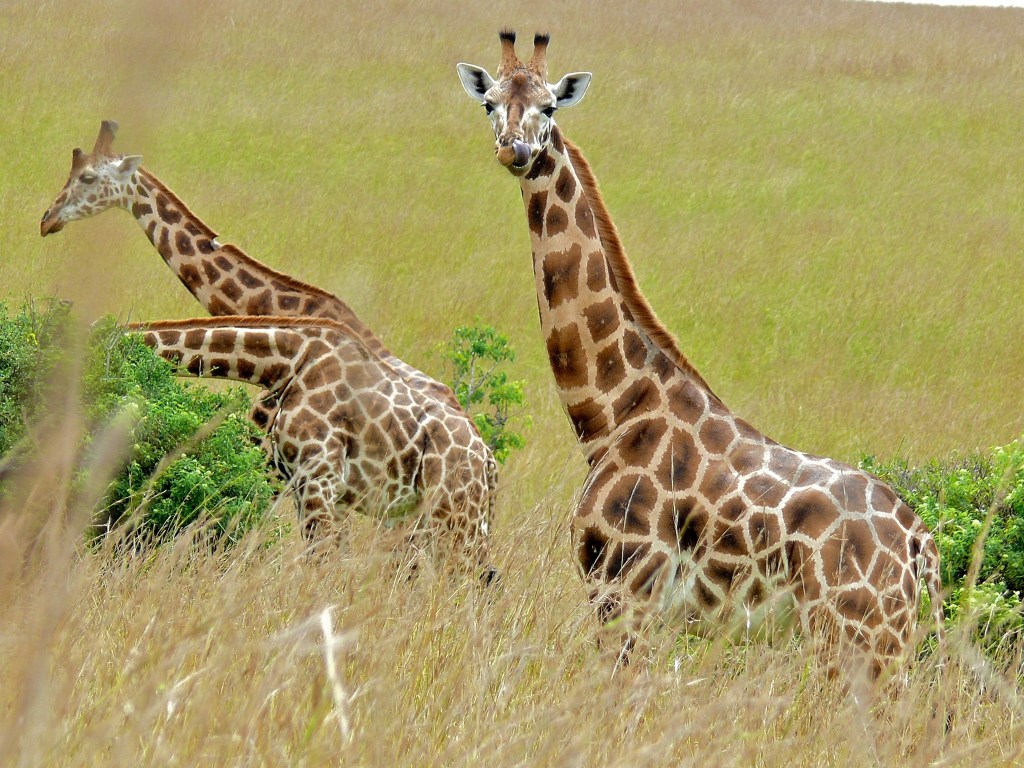
The conflict between humans and wildlife is proving to be extremely costly. The encroachment on natural ecosystems for the purpose of agriculture only fuels this conflict. For example, in Ghana, farmers cut down forests and converted the area into agricultural plots. This action increased the number of instances in which elephants attacked farms. This human-wildlife conflict is experienced almost everywhere. Both humans and wildlife are harmed by encroachments into natural habitats. It is imperative that a compromise is found, allowing humans to expand agriculture to support the growing population, while simultaneously protecting the natural habitats of wildlife.
Why is Biodiversity Important?
Biodiversity serves as a natural pest control, promotes pollination across species, improves soil health and fertility, and even helps to defend against disease and climate change.
How Can Agricultural Encroachment Be Minimized?
Agricultural encroachment is a major global issue and requires a collaborative effort to tackle. Ways to attack the issue include:
- Smarter designing of agricultural land through land planning.
- The introduction of increased biodiversity within farming systems.
- The reduction of farm sizes. Smaller farms can compete economically with larger farms and promote biodiversity.
- The establishment of stronger protections of existing habitats. This can be achieved through public policy of national governments.
- Promoting sustainable farming and pro-diversity practices.
- Reducing food waste.
WORKS CITED:
https://iucn.org/resources/issues-brief/human-wildlife-conflict
https://www.sciencedirect.com/science/article/abs/pii/S0167880923002141