Taxpayers in the USA have long funded the often misunderstood system of agricultural subsidies. Funding of this system has often been portrayed as a necessity, helping to ensure economic growth and stability for farmers, even protecting the nation’s supply of food. However, agricultural subsidies have a plethora of complex consequences, leading to controversy and heavy criticism. Programs such as crop insurance, direct monetary support, and sustainability grants can directly exacerbate income inequality and promote practices that destroy the environment.
So how does the subsidy system work?
The modern day agricultural subsidy system originates from the New Deal, a program during the Great Depression that President Franklin D. Roosevelt implemented to lift the nation out of economic despair. Specifically, legislation during the New Deal introduced the first Farm Bill of 1933, created to provide stability in the income of farmers. Today’s agricultural subsidy system is mainly implemented through the Farm Bill, which is reinstated every five years.
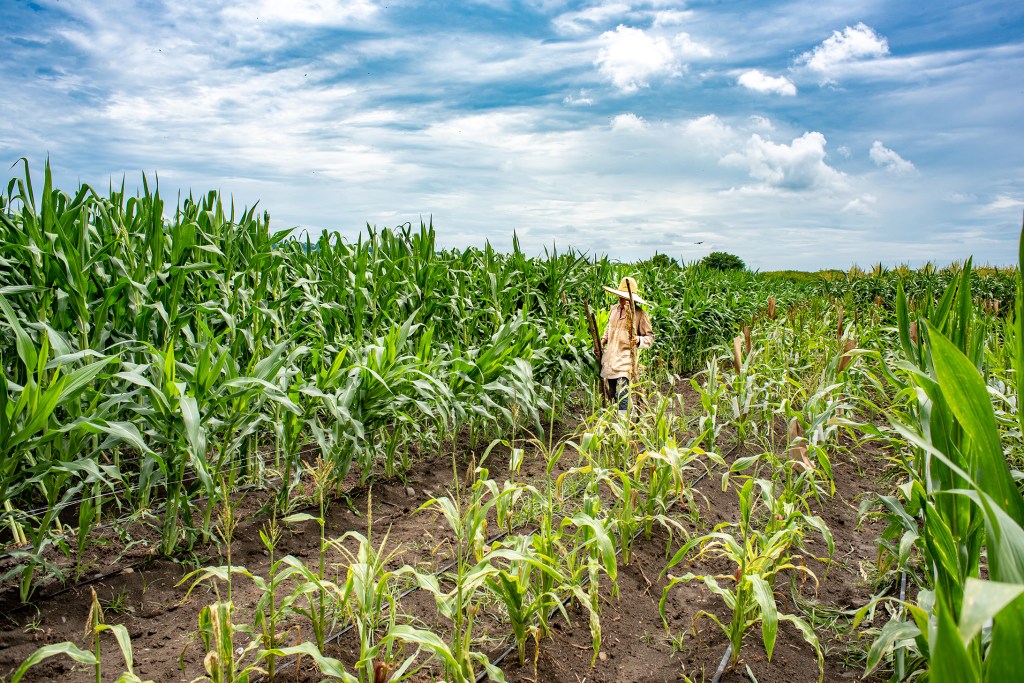
The majority of subsidies today go to a small number of essential crops, such as corn, wheat, cotton, and rice. The Subsidized Crop Insurance is the largest program of the Farm Bill, with taxpayers covering over 60% of insurance premiums for farmers. The program helps to shield farmers from losses due to low market prices or low yields. The Agriculture Risk Coverage is another safety program, providing payments to farms when their revenue drops below a certain level. Lastly, The Price Loss Coverage protects farmers from major drops in market prices, providing direct payments to farmers when the national crops prices fall below specific thresholds.
The negative consequences of subsidies
Skewed benefits. Agricultural programs have been described as a protection for smaller farms, helping local farmers compete with the major corporations. However, they have been shown to disproportionately benefit the largest and most economically powerful agricultural businesses. Studies have displayed that the top 10% of farm subsidy recipients are actually receiving the vast majority of the payments. This only further consolidates power within the agricultural industry, making it even more difficult for smaller farms to compete with large businesses that inflate land prices and produce at lower costs.
Shape what we eat. Because subsidies have placed a large emphasis on a few essential crops, our diets have been fundamentally enforced. Subsidies have made corn, soy, and wheat artificially cheap and abundant, supporting the proliferation of highly processed foods high in corn syrup, soy derivatives, and processed starches. Conversely, fruits, vegetables, and other specialty crops receive relatively little subsidization, making them comparatively more expensive.
Harming the environment. Agricultural subsidies are directly promoting farming practices that are destroying the environment. For example, incentives placed on monoculture farming has led to the widespread and often excessive use of pesticides and fertilizers. These chemicals are running off into bodies of water, polluting them and prompting eutrophication. Subsidies have also supported farming on fragile lands, facilitating soil erosion and the destruction of natural habitats. Lastly, subsidies have created a system of guaranteed payments, limiting the incentive for farmers to innovate and utilize more efficient and sustainable practices.
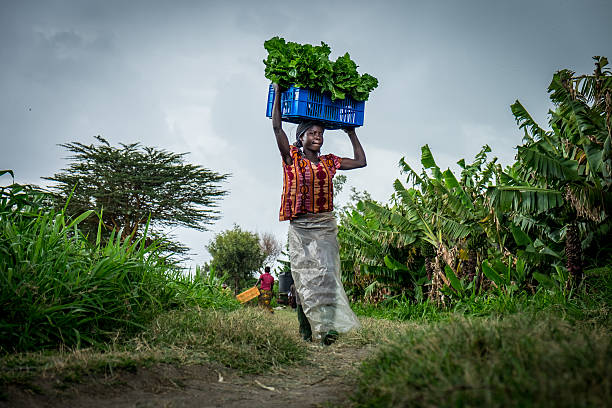
Hurting global markets. Subsidies on American crops allows producers to dump them into international markets at extremely low prices. This is hurting farmers in developing areas that are unable to compete with the artificially low prices, exacerbating the vulnerable agricultural sectors in these areas.
So what can be done?
Rather than implementing a system that helps the largest producers and promotes a mere handful of crops, we can pivot, expanding the agricultural policies to create more meaningful impacts. First, we should prioritize sustainable agriculture, redistributing subsidies towards conservation efforts, sustainable technologies, and agricultural practices that promote biodiversity. Next, we must provide equal access to funding. Both small and large produces should be given equal opportunities for funding and should be incentivized to produce a larger range of crops. Lastly, we should facilitate innovation, providing grants and establishing programs that work to create new technologies that are more efficient and more eco-friendly. Transforming the USA agricultural subsidy system will be a challenge, filled with complex and often challenging discussions. Through inclusive conversations, with all parties represented, we will be able to craft a more inclusive, sustainable, and profitable system.
WORKS CITED:
https://greenfiscalpolicy.org/under-trump-farm-subsidies-soared-and-the-rich-got-richer/
https://www.cato.org/briefing-paper/cutting-federal-farm-subsidies
https://www.fsa.usda.gov/tools/informational/farm-bill
https://www.gao.gov/farm-programs