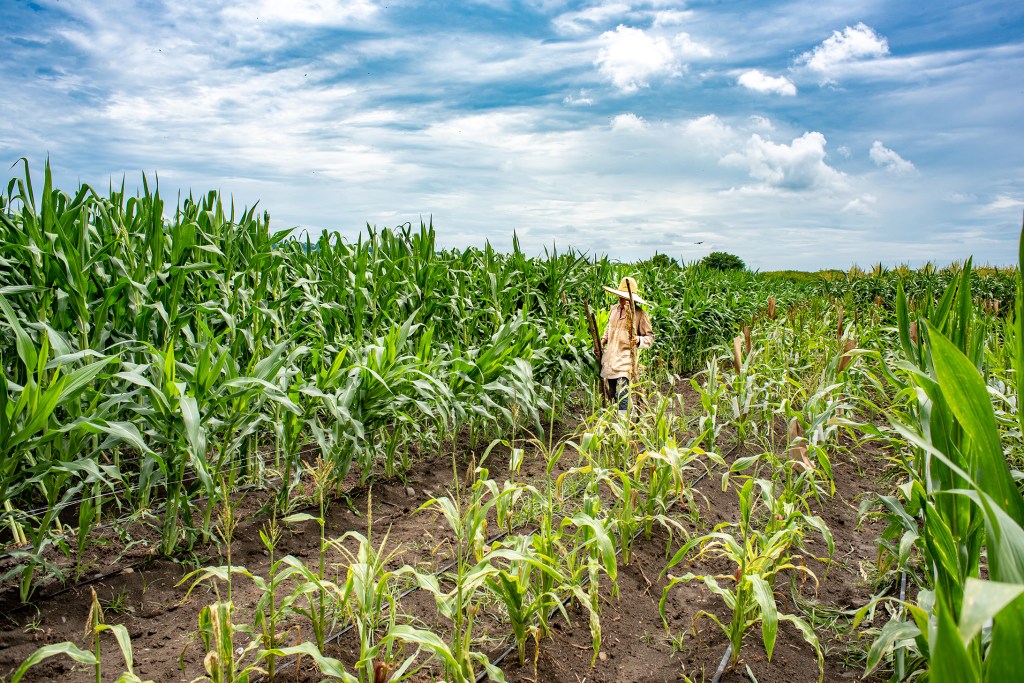
Globalization, the increased interconnectedness of nations around the world, has had a profound impact on the agricultural sector. Farming ventures in the American Midwest can have ripple effects in the markets of Kenya or Vietnam. A very important example of globalization’s impact on worldwide agriculture is the role that the U.S. agricultural subsidies and European Union (EU)’s Common Agricultural Policy (CAP) play in determining the success of farmers around the globe, especially those in developing countries. These agricultural subsidies are created in an attempt to maintain domestic food production and protect American and European farmers from unstable markets, however, they have a multitude of consequences on developing countries.
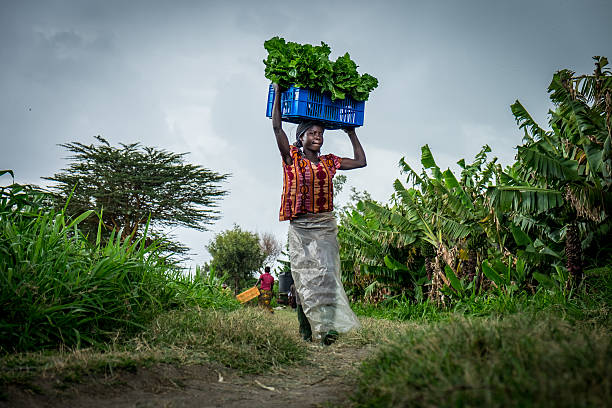
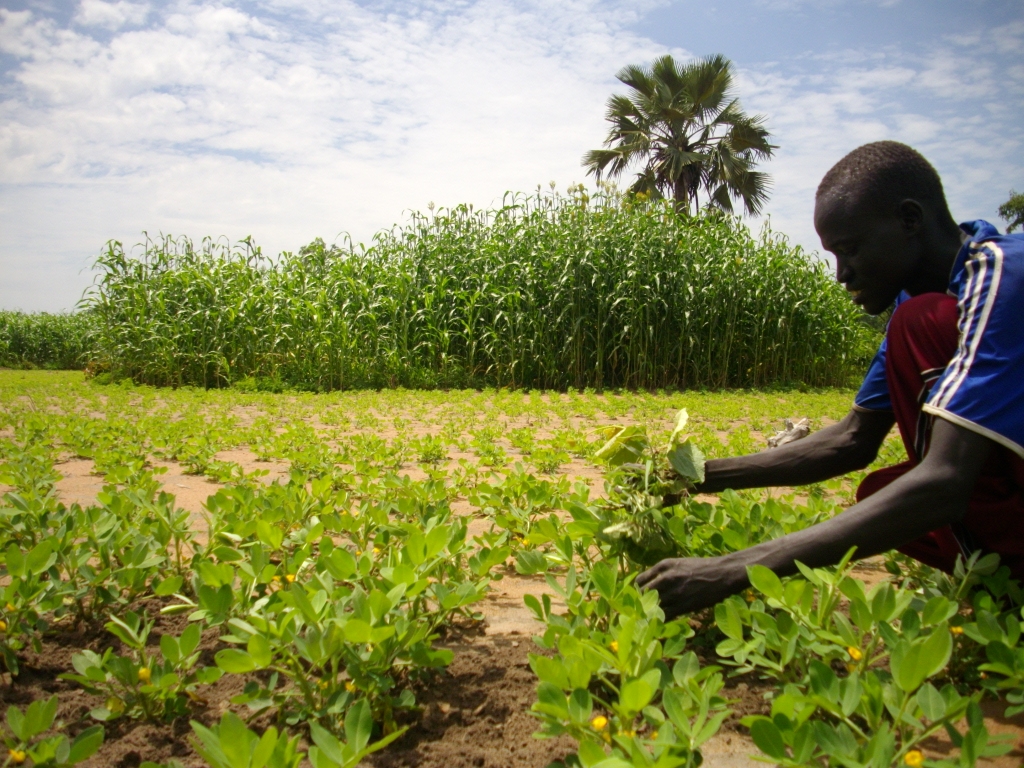
Millions of local farmers and agricultural laborers in developing countries are dependent upon the cultivation of crops and livestock to survive. Wealthy nations such as the United States and members of the EU create policies that distort the global prices of food, preventing farmers in developing countries from profiting off of their hard work.
The Ripple Effects on Developing Countries
American and EU subsidies help their local farmers compete in the global market, however they create twists in the market and create many challenges for farmers in developing nations. Here is how:
Decreased Global Prices
Subsidies allow American and EU farmers to overproduce crops such as cotton, corn, wheat, and soybeans. This overproduction often leads to excess food that is unused. To make extra profits, farmers sell the excess on global markets at artificially low prices. Farmers in developing countries are unable to compete with the artificially low global prices. For example, United States cotton subsidies in the early 200s caused the global prices of cotton to crash. In many West African countries such as Mali and Burkina Faso, cotton is a key component of the economic sector. The crash of the global prices of cotton, prompted by United States subsidies, wrecked African economies and destroyed the lives of hundreds of thousands of farmers.
Slow Development
Competition with subsidized imports from foreign countries limits domestic economic growth in developing nations. Cheap imports sweep the markets, making it extremely difficult for local farmers to sell their own products. These local farmers, lacking substantial profits, leave the agricultural industry, slowing the development of the sector. This limited growth discourages further investments and only keeps struggling areas in economic struggle.
These consequences discourage domestic agricultural production and maintain the dependence upon food imports, limiting the growth of the food sectors of developing countries. Additionally, high tariffs on agricultural imports by the EU help to protect European farmers but simultaneously cut off many developing countries from the export market.
Increased Poverty, Inequality, and Food Insecurity
In many developing countries, the agricultural sector employs a very large percentage of the population. As local farmers are pushed out of business by the low prices of imports, entire communities are destroyed. With fewer job opportunities and lower income levels, poverty can deepen, particularly in rural areas. Additionally, the majority of women in developing countries who are active in the workforce work in farms and agriculture. Thus, they are disproportionately impacted compared to men.
Developing countries are also left in extremely vulnerable positions due to their growing dependence on cheap food imports. Today’s global economy is extremely volatile, with major sectors at risk of large fluctuations in prices. Developing countries are at an increased risk of these fluctuations due to their dependence on imports. Access to food can become a very serious issue during times of trade disruption or rises in global prices, making it even more important for them to build the strength of their agricultural industry and production possibilities.
Is It All Bad?
In all fairness, U.S. agricultural support has actually helped during global food crises. American food aid, usually in the form of surplus grains, is a lifeline in times of famine or disaster. However, critics argue that these programs can be more about offloading excess than solving structural hunger issues.
What Can We Do?
Many professionals are calling for the development of a new, more equal global trading network. Advocating for the use of positive public policy, the World Trade Organization and organizations such as Oxfam and ActionAid have called for the reduction of trade distorting subsidies in wealthier nations. This action of public policy will help to protect the agricultural sectors of developing nations from import competition, in turn increasing domestic investments in agricultural infrastructure and technology.
Recently, there have been some reforms, such as the phasing out of some export subsidies. However, experts argue that more substantial systematic changes are necessary.
Here are some actions that we can take to work towards a more equitable system:
- Introduce new trading regulations that balance national success with global welfare
- Working to invest in sustainable and efficient agricultural infrastructure in developing countries. This helps to increase their agricultural production and efficiency, better protecting them against cheap imports.
- Increasing global transparency on the creation and impacts of subsidies, allowing us to better determine their true market impacts on developing nations.
- Supporting fair trade initiatives that offer small farmers opportunities in global markets.
Until we can achieve meaningful reforms that work to promote the industries of developing nations, the agricultural policies of wealthy nations will continue to hurt millions in developing areas. It is time to take action, spreading awareness of our policies that are unintentionally fueling global inequality.
SOURCES:
https://pmc.ncbi.nlm.nih.gov/articles/PMC6191200/