
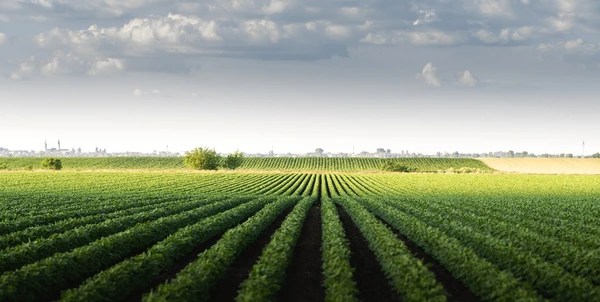
As society has evolved, agricultural practices have been ever changing. In the modern era, large commercial farms and heavy machinery are the backbone of the produce supply for developed nations. Plow animals, manual labor, and hand tools are more common in developing areas. The conventional agricultural practices that we have grown familiar with, whether heavy machinery on commercial lots or plowing animals on local farms, play a significant role in the growing issue of environmental degradation. Developments such as soil erosion, loss of biodiversity, and water pollution have all been directly driven by conventional agricultural practices. However, a growing movement of conservation agriculture has started. The movement, stressing a positive relationship between agriculture, the environment, and human development, is helping to combat society’s growing environmental issues.
The movement of conservation agriculture stresses three main principles: minimal soil disturbance, permanent soil cover, and crop diversity through rotation.
Minimal Soil Disturbance
Achieved by avoiding practices that disrupt the soil’s structural composition, such as plowing, minimizing the soil disturbance of agriculture has a multitude of positive effects. These include improved water infiltration, more retained moisture,increased prevention of erosion, and the preservation of natural biodiversity.
Permanent Soil Cover
Accomplished by keeping soil covered with leftover residue from previous harvests or planting cover crops, permanent cover protects the soil from the sun and rain. Through constant covering, farmers are able to conserve water, reduce erosion, and add organic matter to the existing soil.
Crop Diversity Through Rotation
Diverse crop systems through crop rotation and sequences directly helps to suppress against weeds, pests, and disease. Expanding the number of species that are grown allows for the reinforcing of the agriculture’s resilience against harmful beings and promotes ecological functions. Additionally, the increased soil organic matter allows for the building up of biodiversity.
Combined Benefit
Through the introduction of conservation agriculture, a great deal of both environmental and economic benefits can arrive. Conservation agriculture enhances both agricultural efficiency and crop productivity. This reduces the amount of fuel, wear on machines, and labor time needed to grow the same amount of crops. Additionally, the introduction of more organic matter and increased moisture retention strengthens soil strength. This subsequently helps to decrease erosion, improve water equality and promote biodiversity by reducing chemical runoff. Conservation agriculture also cuts the amount of carbon found in soil, lowering greenhouse gas emissions and helping to fight against climate change FAOHomeMDPI. Lastly, conservation agriculture directly enhances ecosystems. Crop diversity and soil cover boost biodiversity throughout the ecosystem, introducing new species and supporting existing trends.
These benefits are apparent in a plethora of real-world case studies. In Latin America, the introduction of conservation agriculture reduced water turbidity by 50%-80% and sediment loss by 16% over several years. In Ghana, the introduction of conservation agriculture boosted the presence of organic carbon and nitrogen in soil and cut production costs by 20%-29% NIH.
Conservation Through Public Policy
Many nations around the world are using public policies to promote sustainable farming practices. In the United States, the Conservation Reserve Program, administered by the USDA’s Farm Service Agency, pays farmers to introduce conservation covers such as biofilters to guard against erosion and enhance water quality. This program is estimated to have prevented more than 9 billion tons of soil loss and drastically reduce nitrogen and phosphorus runoff. In the United Kingdom, policymakers have introduced the Biodiversity Net Gain, aiming to achieve biodiversity improvements.
Final Thoughts
The introduction of sustainable agriculture has been proven to improve crop yields, lower production costs, promote biodiversity and cleaner water, and reduce emissions. It is essential that our society embraces the new movement, introducing policies and community partnerships to fuel its development. Conservation agriculture is the future, providing a method in which we can sustain both ecosystems and humanity.
WORKS CITED:
https://www.fao.org/conservation-agriculture/impact/benefits-of-ca/en/
https://www.usgs.gov/water-science-school/science/turbidity-and-water





Leave a comment