The argument in favor of food subsidies is primarily that of stability and security
Governments around the world use food subsidies as a tool to protect against rising food prices, promote the success of farmers, and fight against rampant hunger. A food subsidy is a form of aid in which the government takes tax money and redistributes it to the producers or consumers of food. These subsidies are able to reduce the costs of producing, transporting, and consuming food for the general public. Usually, the subsidies are implemented with good intentions. Today, however, there is a heated debate on their true societal impacts due to their complex and often unclear consequences.
Stabilization of food prices
Food subsidies can serve as a barrier against unpredictable food prices, which can greatly vary due to a variety of factors such as weather, seasons, market speculation, and even global events. The subsidies that are issued by the government directly lower costs for consumers. This helps to ensure that basic food items can remain both affordable and accessible, especially for households at an increased risk of poverty. The stability helps governments limit social unrest and protects the most vulnerable groups from unpredictable price changes.
Supporting farmers and rural communities
Subsidies offer an important safety net for producers. The subsidies guarantee a minimum income, helping to protect producers from market fluctuations, natural disasters, and other unpredictable events. The financial stability that comes with the subsidies also gives producers the opportunity to continue farming and even invest into future crops. This helps to protect small farms from growing corporate powers and provides them the chance to grow. It also prevents the mass consolidation of farms.
Promoting food security
In terms of national security, food subsidies help to ensure a reliable food supply domestically. By promoting local production, governments are able to reduce their dependence on food imports. This makes their food supply less vulnerable to negative global events. In developing countries, many studies have shown that subsidies can directly boost the production of grain, increasing the total income of farmers in these areas of mass poverty.
Economic growth
Through subsidies, low income families are able to save more money. The money saved through these subsidies is able to be spent on other necessities, stimulating the local economies. This idea has been displayed in a number of studies. According the USDA, every billion dollars in Supplemental Nutrition Assistance Program (SNAP) benefits can generate significant economic activity and jobs (USDA).
The argument against food subsidies is that of their unintended consequences
Market distortion and inefficiency
Critics of food subsidies have argued that they artificially interfere with the free market, directly leading to both overproduction and waste. Because subsidies create guaranteed prices, farmers are able to grow more of a crop than what the market actually demands, creating surpluses and subsequent wasting of food. Inefficient subsidies can also directly lead to a poor allocation of resources in which farmers are encouraged to grow crops that are not suitable to their region.
Environmental degradation
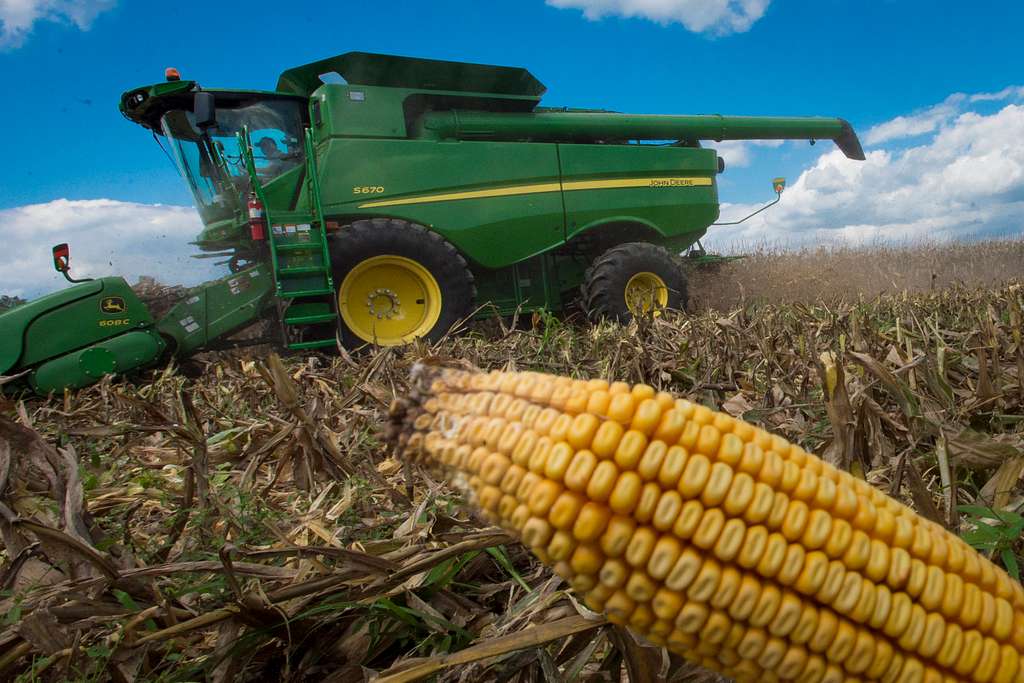
Inadvertently, subsidies can harm the environment by encouraging monoculture and intensive farming. For example, governments often heavily subsidize a small number of commodity crops. This prompts farmers to plant the same crops year after year, depleting soil nutrients and increasing the demand for chemical fertilizers. Subsidies also directly promote the cultivation of areas of poor soil quality, such as wetlands and highly erodible areas.
Promotion of unhealthy foods
Many critics argue that food by supporting the production of commodity crops such as corn and soy through subsidies, we are growing the market of unhealthy foods. These commodity crops are processed into cheap ingredients for junk food and high fructose corn syrup. On the other hand, subsidies for fruits, vegetables, and healthy products are relatively low. This lack of proportion contributes to many public health issues such as obesity, diabetes, and heart disease.
Unfair distribution of benefits
One of the greatest arguments against the use of food subsidies is that while they are intended to help out low income communities, they often actually benefit the wealthy more. Additionally, rather than primarily aiding small family farms, much of the subsidy payments go to large, corporate agricultural production companies. This directly drives local farms out of business, increases the price of land, and consolidates wealth amongst a few powerful agriculture companies.
High cost, directly paid by taxpayers
Food subsidies are funded through revenue collected from the taxpayers. This is concerning when considering the fact that food subsidies can be very expensive and difficult to manage. Critics argue that money spent on food subsidies could be better used on other programs such as targeted nutrition education or other public services.
So what can be done?
The food subsidy debate is quite complex, with both sides offering valid points. Food subsidies are able to help promote food security and price stability, but directly create serious consequences such as artificial market manipulation, environmental harm, and decreased public health. In order for us to create a more sustainable, equitable, and beneficial food system, it is imperative that policymakers critically evaluate our existing subsidy programs and make informed decisions. These decisions must be collaborative with different sides of the debate working together to create new policies that benefit the nation.
Instead of simply providing subsidies for commodity crops, we could create a better system involving:
- Targeted subsidies. We can direct subsidies to small, local farms, even incentivizing the production of vegetables and other nutritious foods. Similarly, we can provide direct support to low income families, helping to prevent subsidies from ending up in the pockets of the rich.
- Promoting sustainability. We must connect subsidies with conservation efforts and programs. This will grow the use of sustainable farming practices and protect the environment.
- Focus on consumer programs. We can focus on growing nutrition assistance programs such as SNAP. These programs are often more effective at directly addressing food insecurity.
We create new policies of food subsidy to balance food security and economic stability with the goals of health, equity, and sustainability. In doing so, we can better serve the people, the nation and the planet.
WORKS CITED:
https://pmc.ncbi.nlm.nih.gov/articles/PMC3898771/
https://usafacts.org/articles/federal-farm-subsidies-what-data-says/