
Today, our society faces the severe consequences of climate change, pollution, and loss of natural resources. Sustainable technologies work to fight against these devastating developments, promoting a resilient planet. Sustainable technologies come in all shapes and sizes, from clean cooking innovations that reduce waste, to sources of renewable energy, sustainable technologies work to create positive impacts on our environment.
Here are some 3 of the most impactful sustainable technologies:
Solar Power
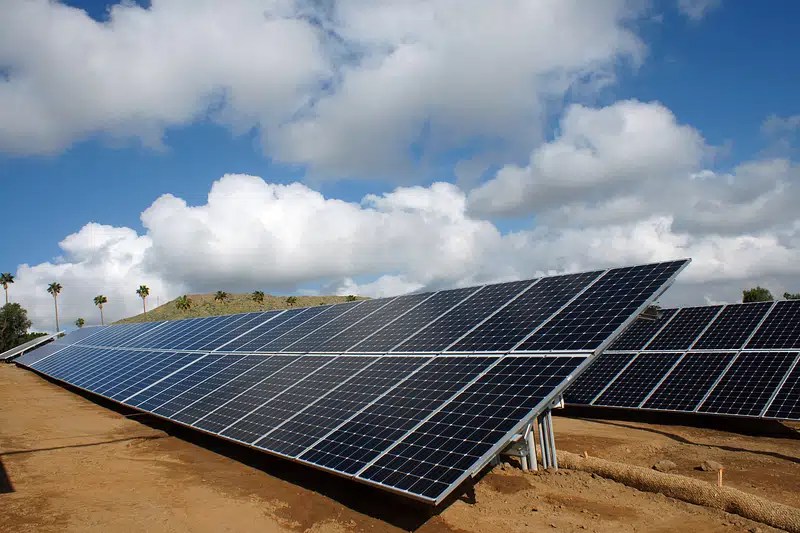
Solar power has quickly become a major contributor in sustainable energy. In solar power, photovoltaic panels take sunlight and convert it into usable electricity, all without ever emitting greenhouse gasses. In recent years, developments in the technology have been able to reduce their costs and improve their efficiency. As a result, solar systems are now more accessible than ever before. From the rooftops of high rise apartments in New York City, to cabins in rural Montana, to a small village in Africa, solar panels can be found in almost any environment. Solar energy can assist many other technologies. For example, solar powered home battery backups are replacing traditional gasoline powered backup generators, reducing air pollution and limiting the hazard of fire. Developments in battery storage have also helped to kickstart the spread of solar technology, with advanced storage allowing for the use of solar energy even during periods of little sunshine. To build a better future and fight against growing climate threats, we must continue to push the development of solar technologies. By pushing for legislation that invests into the field of renewable energy, we can work towards our goals of a more sustainable future.
Eco-stoves
In many parts of Africa, the development and adoption of eco-stoves, a simple technological innovation, has had profound impacts on both human populations and the environment. In many regions around the world, specifically rural areas in developing countries, cooking over traditional open fires is how meals are prepared. They do not have access to electric, natural gas, or propane stoves. Cooking over open fires is detrimental to the environment as large amounts of firewood is used, meaning communities must cut down entire forests for cooking. Additionally, greenhouse gasses are emitted, fueling climate change. By contrast, eco-stoves consume less firewood, reduce cooking time, and emit less greenhouse gasses. This helps to reduce the number of trees cut down for firewood, limit the production of harmful gasses, and increase food production in vulnerable communities. Eco-stoves are able to simultaneously improve the livelihoods of the local populations and fight the detrimental effects of climate change. I was able to witness their positive effects on local populations in person when I traveled to Kenya. Recently, new eco-stoves have been developed that use solar energy for power, making them even more environmentally friendly. It is imperative that we work to expand their use by implementing public awareness campaigns; pushing for policies that provide subsidies to producers of eco stoves; and creating plans that provide free or subsidized eco-stoves to people in developing countries that cannot afford to buy them.
Capturing Rainwater and Water Purification
Currently, climate change is altering rainfall patterns, prompting severe weather, and increasing droughts. These negative developments will only be exacerbated by a continued lack of an adequate response towards climate change. Because of this, the issue of water scarcity will only become more severe. There have recently been new innovations in rainwater harvesting, making a huge difference in areas that lack reliable access to drinking water. These new innovations very efficiently collect and then store rainwater from rooftops into containers. Water stored in the containers is used to water crops, clean, and even drink when properly filtered. Specifically, in communities with a very limited access to clean drinking water, solar-powered water purifiers that employ UV light or reverse osmosis are used to purify the captured water. This allows for a steady supply of clean drinking water to vulnerable communities, reducing disease spread through water and enhancing the overall well-being of the population. Like the eco-stoves, I was able to see these technologies during my recent visit to Kenya. In fact, all of the water that I drank during my visit was captured by these systems. Again, it is necessary that we work to facilitate the growth of rainwater capturing and water purifying technologies. By providing funding to install them in vulnerable communities, or even mandating their inclusion in newly constructed public buildings, we can fight water deprivation and work towards a greener future.
SOURCES:
https://www.energy.gov/eere/solar/how-does-solar-work
https://www.nationalgrid.com/stories/energy-explained/how-does-solar-power-work
https://www.britannica.com/topic/water-purification
https://www.energy.gov/femp/rainwater-harvesting-systems-technology-review







Leave a comment