Food waste has a grave impact on the environment, the economy, and society. Wasted food represents a portion of the world’s agricultural production that could have been avoided entirely. Cutting down on wasted food and efficiently using our agricultural production helps to save not only the resources that went into food production, but also makes the need for more agricultural land unnecessary.
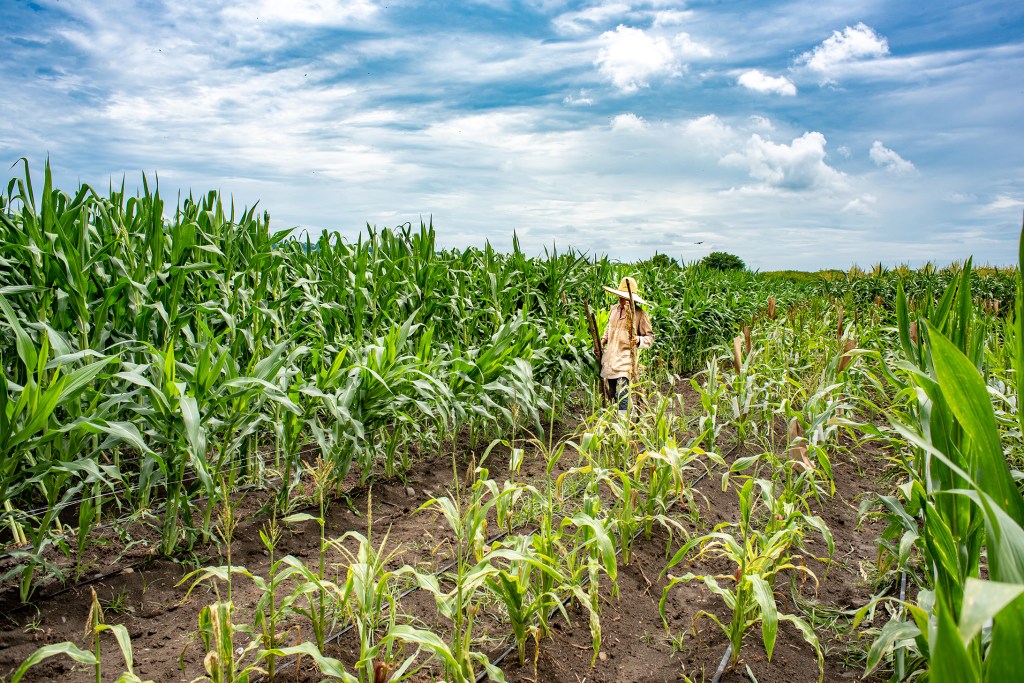
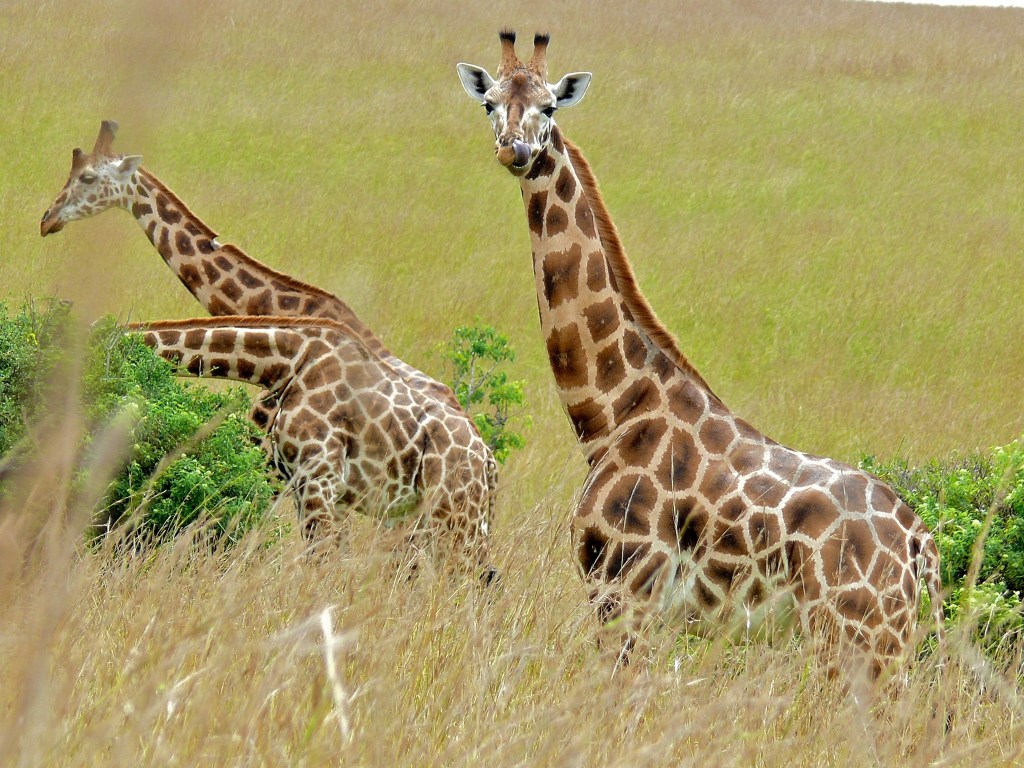
In many parts of the world, the need for increased food production leads to encroachment on natural habitats to convert the area to farmland. This conversion of natural areas can facilitate significant biodiversity loss. A case in point is the Rothschild’s giraffe, which I witnessed firsthand during a visit to the Soysambu Conservancy in Kenya.
The growth of agricultural production has directly driven the Rothschild’s giraffe to near extinction due to its influence on significant habitat loss and fragmentation. The expansion of farms and human infrastructure has destroyed the Rothschild’s Giraffe’s historical ranging territory and has created extremely isolated, vulnerable populations. These consequences have limited their food supply, eliminate their migration routes, and fueled the human-wildlife conflict.
Habitat loss and fragmentation
- Elimination of range. In Kenya, agricultural expansion has eradicated all of the known wild populations of Rothschild’s giraffes from their native habitat in the western part of the country.
- Isolation of Populations. The expansion of farmland has created patches of human settlements and agricultural land within the native habitats of the Rothschild’s giraffe. These remote patches acts as fences, isolating giraffe populations and directly preventing them from interacting with each other.
- Genetic Consequences. The isolation of these populations also increases the risk of inbreeding and as a result, limits genetic diversity. This limitation of genetic diversity has “restrictive implications on the evolutionary potential of the species.”
Fuels the human wildlife conflict
- Competition for resources. As giraffes lose their natural habitats to farmland, they begin to encroach onto agricultural areas in search of food or water. This leads to conflict, often violent, with farmers.
- Crop damage. When giraffes encroach on farmland and eat crops, farmers may use harmful, sometimes even deadly methods such as snares, spears, and traps, to protect their produce.
- Transmission of disease. As giraffes approach domestic livestock, they are at a greater health risk due to the transmission of diseases, further threatening the wild populations.
Loss of food sources
- Shrinking variety of food. As the natural savanna is converted to farmland, the varieties and quantities of native bushes and trees, such as acacia, are directly diminished. These native bushes and trees are the giraffe’s main food source and limits to their populations directly endangers the giraffes.
- Limited range of feeding. The expansion of farmland directly limits the giraffe’s available feeding range, negatively impacting their breeding ability and other functions.
- Water scarcity. Agricultural ventures and maintaining livestock depletes water sources, forcing giraffes onto human settlements to find water, especially during droughts.
Conservation through translocation
In an attempt to save the subspecies from outright extinction, many conservationists have established new remote populations by translocating giraffes to protected areas. In Kenya and Uganda, the remaining populations Rothschild’s giraffes now exist in national parks, private conservancies, and other protected areas. They are physically separated from the surrounding agricultural and human settlements to ensure their safety and the stability of the population.