
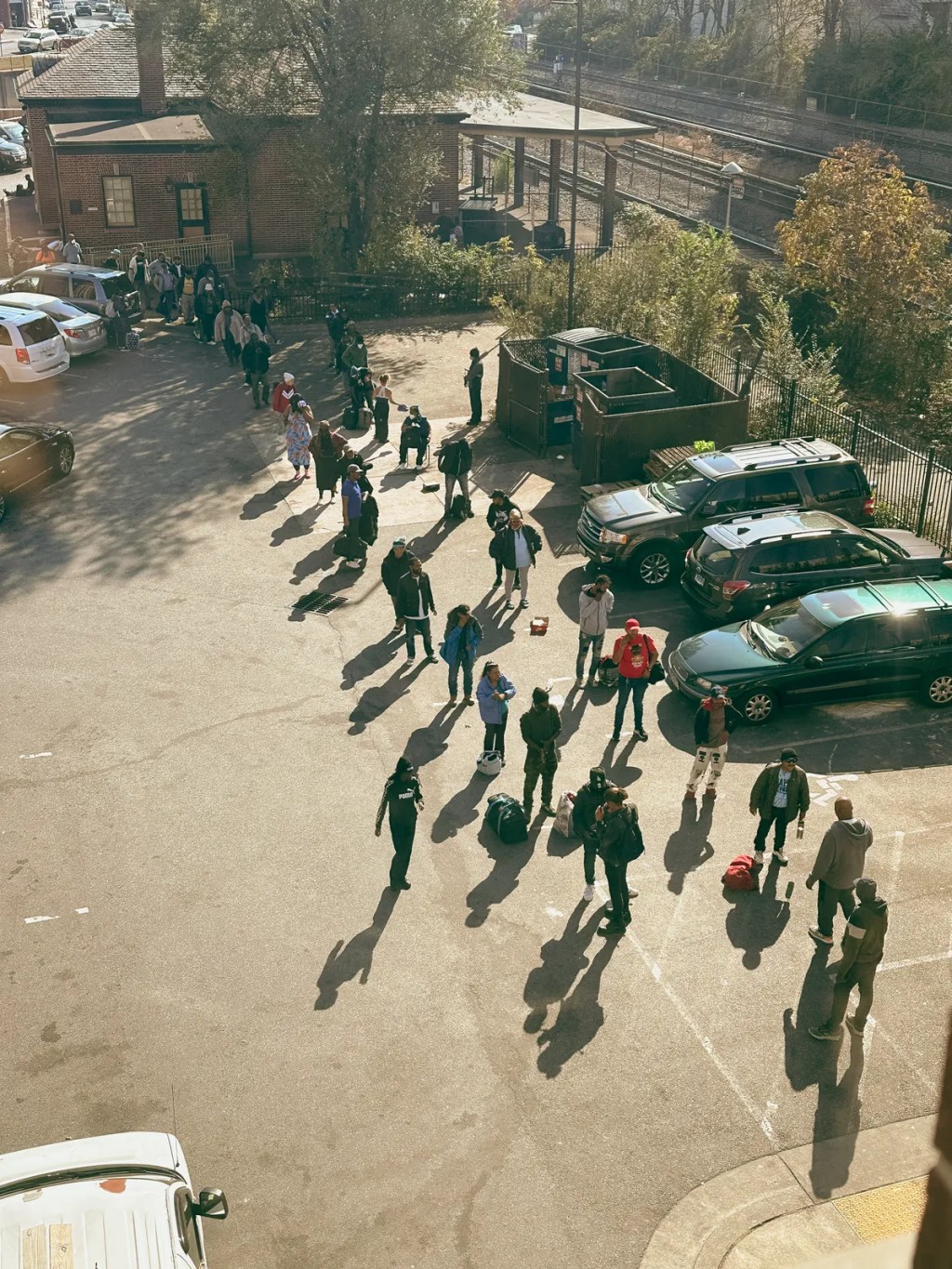
In the years following the Covid-19 pandemic, food insecurity in the DMV (Washington D.C, Maryland, and Virginia) has risen at an alarming rate. To dive into the experiences of local organizations, I interviewed Shepherd’s Table, a DMV based organization that has been providing food to vulnerable populations for over 40 years. After my interview, I’ve taken away a clear message: demand is higher than ever, resources are limited, and the need for community support is urgent.
In my recent interview, Shepherd’s Table explained that over the past year, they “have seen more than a 20% increase in individuals receiving meals.” This is especially concerning when considering that this development isn’t a divergence from recent trends. They explained that “unfortunately, this is not a new trend as we have seen steady increases in the numbers of our meal guests every year for the past five years. So far this year, we have served 149,212 meals in our dining room.”
The 149,212 served meals represent much more than individuals who are in dire need of food. They also represent economic stability, warmth, and dignity. In a region of the world that is usually associated with wealth and opportunity, these numbers serve as a stark reminder of the often forgotten presence of food insecurity in our communities. Hunger is constant, expanding its hold on vulnerable populations within the DMV.
In my interview, Shepherd’s Table explained that the growth of food insecurity in our communities cannot be attributed to any sole development, such as “SNAP changes/the government shutdown or the start of hypothermia season.” To address the increasing presence of hunger, they are “taking all the steps necessary in partnership with our sister organizations like Interfaith Works to ensure everyone in need can come inside and have a nutritious, hot meal, especially during the winter months”
For organizations such as Shepherd’s Table, winter is an extremely critical time. The hypothermia season, which runs from November to March, forces vulnerable populations to seek indoor areas for their safety and survival. Shepherd’s Table and their sister organizations work to ensure that those facing food insecurity and a lack of shelter are not turned away.
Through the developing hunger crisis, Shepherd’s Table is faced with an increasingly problematic occurrence behind the scenes. Food costs have soared in recent years, particularly for protein. These rising costs have made it especially difficult to keep up with the growing demand: “While we have experienced a heart-warming response from local and state governments, foundations, and the broader community, finding the in-kind and in-cash resources needed to feed our clients is becoming increasingly challenging. To be able to cope with rising prices of food in general, and of protein in particular.” They explained that “the generosity of the community is becoming more important than ever.”
Food is not the only resource that vulnerable populations need during difficult times. In my interview, Shepherd’s Table explained that they have “experienced a sustained increase and consistently high demand for social services throughout 2025.” They added that “From January through November 2025, Social Services served an average of approximately 470 unduplicated individuals per month, with monthly counts ranging from 428 to 540 individuals. During that same period, we distributed over 45,000 items through our Resource Center, including hygiene supplies, transportation assistance, phone access, and other basic needs demonstrating not only an increase in the number of individuals served but also the intensity and frequency of services required.”
Physical health has also emerged as a major concern. In 2025, Shepherd’s Table served an average of “23 unduplicated prescription voucher (uninsured and co-pay assistance) clients” per month, which highlights the “growing intersection between food insecurity, health needs, and access to medications.”
Throughout these difficult times and rising demand for assistance, Shepherd’s Table has remained committed to their mission of providing low-barrier direct service. They “do not require documentation or ask questions in order for someone to receive a meal or assistance” and assert that “anyone is welcome, regardless of their background or circumstances.” However, they have acknowledged that this commitment has been difficult recently as “the broader economic climate has been challenging, and we have seen an increase in demand for our services.”
The challenging economic climate has had an impact on their fundraising efforts as well. They shared that “we’re seeing more people in need this year, which means we’ve had to be more proactive in our fundraising.” Shepherd’s Table has been able to receive continued support from their donors, but have had to be “more intentional about outreach, fundraising and goal setting to keep up with the increased demand.”
A positive topic that arose in the interview was volunteering. Shepherd’s Table emphasized that “volunteers are at the heart of our mission.” As of November 2025, they “have had 3,425 volunteers clocking in 2,747 hours.” These volunteers are helping to prepare and serve meals, as well as organize food, clothing, and resource center drives. The volunteers come from “all walks of life,” including retired individuals, high schoolers, friend groups, faith-based communities, coworkers, and families. Shepherd’s Table also observed that “Following recent government layoffs, we’ve seen more former government employees step forward to volunteer. Even in times of uncertainty, people continue to seek connection, purpose, and opportunities to serve their community.”
In the future, Shepherd’s Table is looking to expand their reach to meet the increased hunger in our communities. They are “working closely with Montgomery County Office of Food System Resilience” and aim to “collaborate with other organizations in the county to leverage each other’s strengths and multiply our impact.” They hope that “by joining forces with others, we can together expand our services so we can reach and support people in need, wherever they are.”
To conclude the interview, Shepherd’s Table offered a message to high school students: “Please get involved and bring your friends or family with you!” Volunteering to address food insecurity is “a very tangible way to build resilience in our community and to make a real difference in people’s lives.” They often hear from volunteers that “they receive so much more from their volunteer work than they could possibly give.”
After my interview, I’ve taken away the need for us to join forces to combat the urgent, complex, and growing hunger crisis in the DMV. Through this urgency, we must work together, volunteering, donating, and creating partnerships to create a meaningful difference in our local communities.




Leave a comment