Research, Innovation, and the Future of African Agriculture
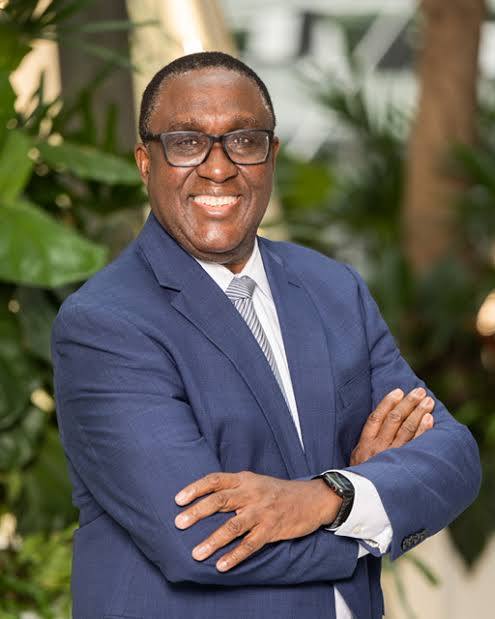
By the Director General, IITA
Agriculture is more than farming. It is science, innovation, and hope for the future, especially for Africa. Here, I share my reflections in response to some important questions about food, climate, and sustainability and the future of Africa.
1. How critical are research and innovation in agriculture?
Agriculture is science, problem-solving, and smart decision-making. Farmers today face challenges such as poor soils, pests and diseases, unpredictable weather, and limited resources.
Research and innovation are the foundation of modern agriculture. They help us grow more food, protect the environment, and adapt to climate change. Research allows us to understand these problems, while innovation helps us turn knowledge into practical solutions such as better seeds, smarter farming practices, and improved storage and processing methods.
Without research and innovation, agriculture cannot feed a growing population or create opportunities for young people.
Research & development and knowledge organizations like IITA and the other centers under CGIAR—the world’s largest global research innovation network—are important because they do research with partner organizations based on what farmers need and develop innovations that help produce more food, provide jobs and livelihood opportunities, and conserve our environment.
2. What innovations could transform African agriculture in the next 10–15 years?
CGIAR centers like IITA have generated several exciting innovations that could shape the future of African agriculture. For instance, we developed:
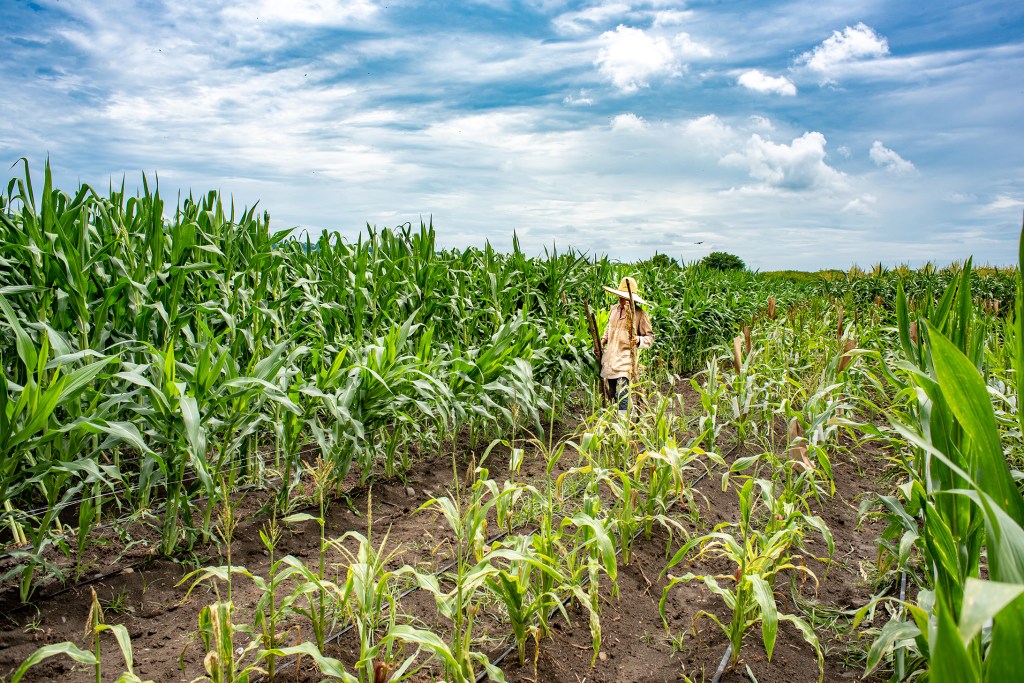
- Climate-resilient food crops that can survive drought, heat, floods, and diseases. For instance, climate-resilient maize developed by CGIAR centers grown in 13 African countries deliver 30% more yield with 2.1 M people lifted out of poverty.
- Digital agriculture, using mobile phones to provide farmers with weather information, market prices, and farming advice.
- Improved soil and fertilizer solutions recommended through digital agronomic services such as Akilimo (akilimo.org) to restore soil health and increase productivity.
- Affordable mechanization that reduces hard labor and attracts young people to farming.
- Better storage and processing technologies to reduce food loss after harvest.
These innovations, if adopted in the near term, can help Africa produce more food sustainably while creating jobs and protecting the environment.
3. What are the biggest barriers to scaling agricultural innovations in Africa?
Many promising ideas fail to reach farmers because of challenges such as limited access to finance, weak infrastructure, and poor distribution systems. In some cases, farmers are not aware of new technologies, or they cannot afford them. Policies and regulations can also slow down the spread of innovation. To scale successfully, solutions must be affordable, trusted, and adapted to local conditions.
4. How does CGIAR conduct research and work with universities?
In CGIAR, including IITA, our research begins with real problems faced by farmers. Scientists work in laboratories and research fields, but we also test solutions directly with farmers. Universities are important partners in this process. We collaborate on research projects, co-supervise students, share facilities, and publish scientific findings together.
These partnerships help train the next generation of African scientists while producing innovations that improve food systems and livelihoods.
For example, we:
- Train PhD and master’s students who later become national scientists and leaders in agriculture.
- Conduct joint research on crop diseases that leads to better detection and faster response.
- Develop improved varieties and farmer-friendly practices that are tested across multiple countries.
In IITA, we have trained more than 140,000 national researchers across Africa who now occupy important positions that can influence agricultural transformant in the continent.
5. How do you ensure research leads to real impact on farmers?
At IITA, we focus on impact from the beginning. Farmers are involved in testing new technologies, and we work closely with extension services, governments, and development partners to scale successful solutions. By using demonstration farms and community-based approaches, farmers can see the benefits for themselves. The Technologies for African Agricultural Transformation or TAAT is a huge program that is a good example of how we have shared our technologies to farmers and producers with the help of governments and partners. In its second phase that ended this year, the IITA-led TAAT delivered climate-smart seeds to 12 M farmers in 27 countries in 3 years. Research has real value only when it improves incomes, nutrition, and resilience.
6. How important is collaboration with the private sector?
The private sector plays a key role in scaling innovations. Companies help produce seeds, machinery, digital tools, and food products at scale. Successful partnerships depend on trust, shared goals, quality standards, and strong local networks. When research institutions and businesses work together responsibly, farmers benefit the most.
Collaboration with the private sector is absolutely critical to turning research innovations into real-world impact. The story of Aflasafe, developed at IITA, is a textbook example of why this kind of partnership matters—especially in African agriculture.
IITA scientists developed Aflasafe as a biological control to reduce aflatoxin contamination in staple crops like maize and ground nuts. But without the private sector, it would likely have remained a successful experiment, not a scalable solution.
Private companies helped:
- Manufacture Aflasafe at scale
- Package it in farmer-friendly formats
- Distribute it through existing agro-dealer networks
This bridge between science and markets is something public research institutions alone usually cannot sustain.
The Aflasafe experience shows that collaboration with the private sector is not optional, it is essential. IITA provided science and credibility; the private sector provided scale, speed, sustainability, and market reach. Together, we turned a laboratory innovation into a continent-wide solution improving food safety, farmer incomes, and public health.
7. What lessons has CGIAR learned from innovations that did not scale?
One major lesson is that innovation must be based on farmers’ needs and fit farmers’ realities. Technologies that are too expensive, too complex, or poorly adapted to local needs rarely succeed. We have learned that scaling must be planned early, with strong delivery systems and farmer involvement. Innovation is not complete until it is widely used and improves lives.
8. What gives you optimism about the future of food in Africa?
I am optimistic because of Africa’s young people. They are creative, energetic, and open to latest ideas. They are the future of African agriculture—whether as entrepreneurs, leaders, government officials, extensionists, etc.
I am also encouraged by advances in science, digital technology, and regional collaboration. African farmers, including women and young people, are resilient and innovative, and with the right support, they can lead the transformation toward sustainable food systems.
9. Why did you choose a career in agricultural research and policy?
I chose this path because food security affects every part of society—health, education, stability, and economic growth. Agriculture research offered a way to combine science with real-world impact. It is deeply rewarding to see research improve lives and strengthen communities. I have more than 30 years of extensive experience in the fields of agriculture, food security, and sustainable development with a wide-ranging network of scientific research organizations within the CGIAR system, multilateral organizations, regional bodies, and national governments in Africa and other continents.
I have played a crucial role in transformative initiatives, such as the launch of the Regional Hub for Fertilizer and Soil Health in West Africa and the Sahel based in IITA, Ibadan, Nigeria. I strongly advocate for youth engagement and digital innovation projects across the African continent. As a visionary leader in agri-food systems, I promote science-based solutions, strategic partnerships, and climate-smart agriculture to drive meaningful change.
I am deeply committed to advancing food security in Africa through partnerships, and the development and implementation of agricultural policy reforms.
10. What advice would you give students interested in food security and sustainability?
My advice is simple: stay curious and focus on solving real problems. Agriculture needs scientists, engineers, data analysts, communicators, and entrepreneurs. Learn as much as you can, embrace technology, and care for the environment. Your generation has a critical role to play in building a food-secure and sustainable Africa.