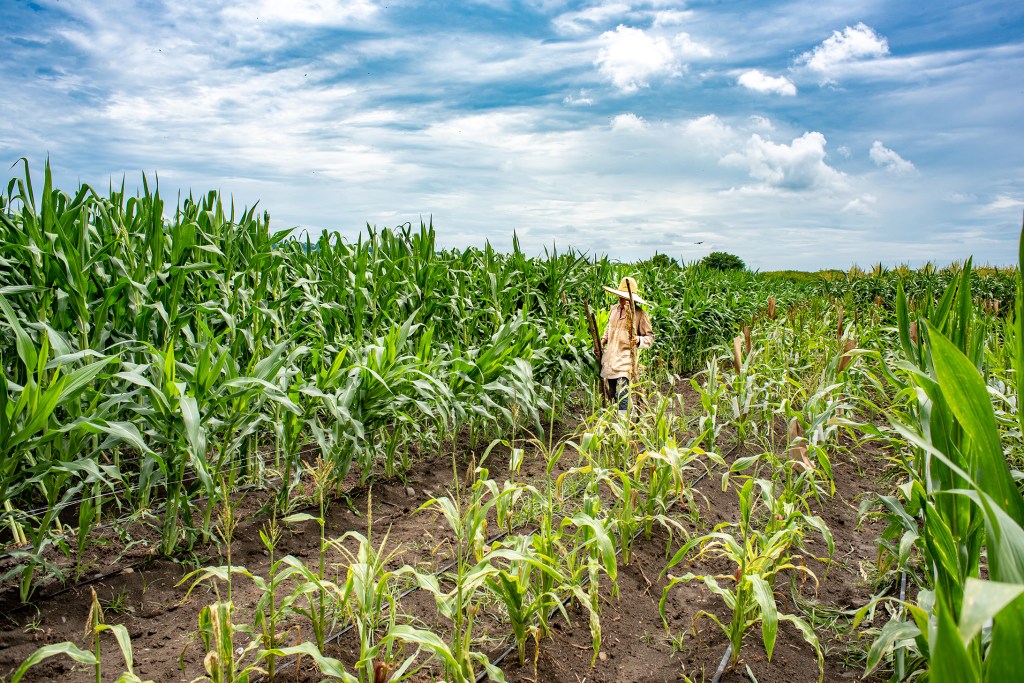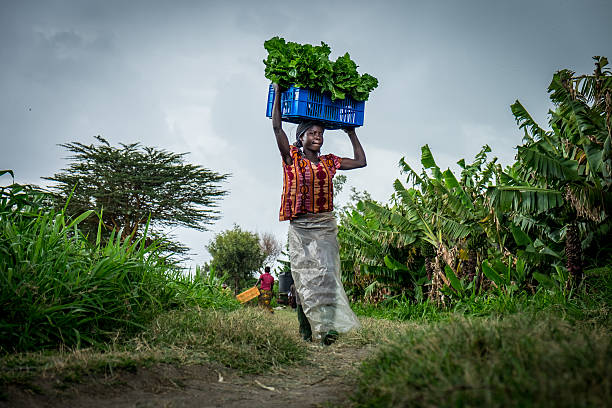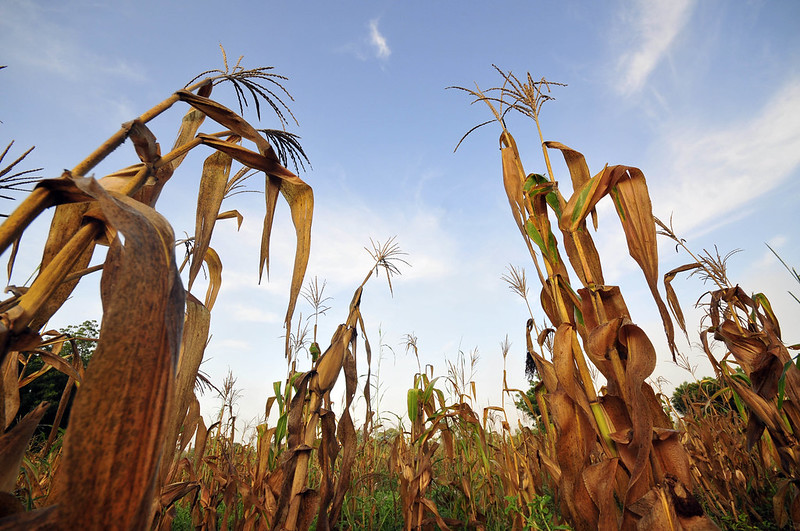
Today, enough food is produced to feed every single person on Earth, yet millions go hungry every single day. This serves as a stark reminder of the failures of our global food systems. According to the World Health Organization, around 733 million people went hungry in 2023, or about 1 in every 11 people globally. In Africa, that ratio is closer to 1 in every 5. Following the Covid-19 pandemic, worldwide hunger and malnutrition has only risen, with no major declines in sight. These issues are especially dire in less developed nations that don’t have the proper infrastructure to support their growing populations.
What is food insecurity?
Food insecurity is the term used to describe situations in which people don’t have enough to eat and don’t know where their next meal will come from. The term encompasses more than just the physical feelings of hunger, including access to stable, quality products. The United Nations (UN) recognizes four pillars of food security.
- Food Availability. There must be a high enough supply of food to support populations.
- Access. Individuals must be able to access sources of food and be able to afford it.
- Utilization. Making sure that individuals are able to properly store and properly consume the food that they acquire to live healthy lives.
- Stability. Ensuring that there is a constant supply of food and fighting against disruptions such as price fluctuations.
There are are certain drivers of food insecurity that undermine our efforts to fight against the issue. The most influential driver is conflict and societal instability. Wars directly destroy land that can be used to grow crops, break supply chains, and disrupt communities. This leaves individuals without access to a stable source of food. This is especially dangerous when food is used as a tool of war, such as blocking food donations to suffering areas. Another driver of food insecurity is climate change. Climate change exacerbates dangerous and unpredictable weather such as floods or droughts. This unpredictable weather makes destabilizes agricultural production and attacks food stability. Climate change disproportionately affects less developed areas, that do not have the stable supply chains or infrastructure to deal with changing weather patterns. Economic fluctuations also work to drive food insecurity. High levels of inflation make food unaffordable for entire populations. High prices are especially dangerous in areas that are more prone to poverty. Lastly, about 1/3 of the world’s production of food is wasted. This waste could have been used to feed hungry populations, instead it sits in landfills and emits greenhouse gasses.
Future consequences
The negative consequences of food insecurity are especially felt by the most vulnerable of groups. These vulnerable groups, including women and children, experience very harmful side effects such as stunted development, economic loss, and social inequality. The chronic hunger that results from childhood food insecurity contributes to stunted growth and dangerous health issues that can be deadly. Additionally, food insecurity often pulls entire communities into cycles of poverty, making it extremely difficult to escape. Lastly, the hunger and competition that is associated with food insecurity can lead to direct competition over limited resources, prompting social conflicts and even political disputes.
So what can we do?
The United Nations has laid out the Sustainable Development Goal of achieving Zero Hunger by the year 2030. This may seem like a very difficult goal to reach, but through a committed, collaborative effort, we can make great progress. To work towards the goal, we must invest in sustainable agriculture technologies. Sustainable agriculture is not only more efficient than traditional methods of farming, it also works to fight against climate change. We must also work to empower communities. Providing monetary assistance to underprivileged communities will empower historically marginalized groups to take action and work to access nutritious food, helping them break out of cycles of poverty. Reducing the waste of food is also vital for us to fight against food insecurity. By improving our storage and distribution of food, along with promoting educational campaigns, we can reduce food waste and increase the supply of food to areas in need. Lastly, we must work to implement positive government policies to strengthen worldwide food systems. Today, agricultural subsidies in more developed nations directly hurt both consumers and producers in the still developing world. By working together to create policies that have positive effects both domestically and abroad, such as tax incentives to sustainable technology producers, we will come closer to reaching our goal of zero hunger.
SOURCES:
https://handbook.fscluster.org/docs/231-the-four-pillars-of-food-security
https://www.feedingamerica.org/hunger-in-america/food-insecurity